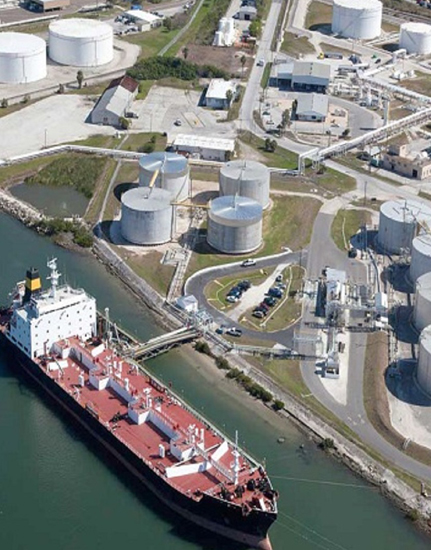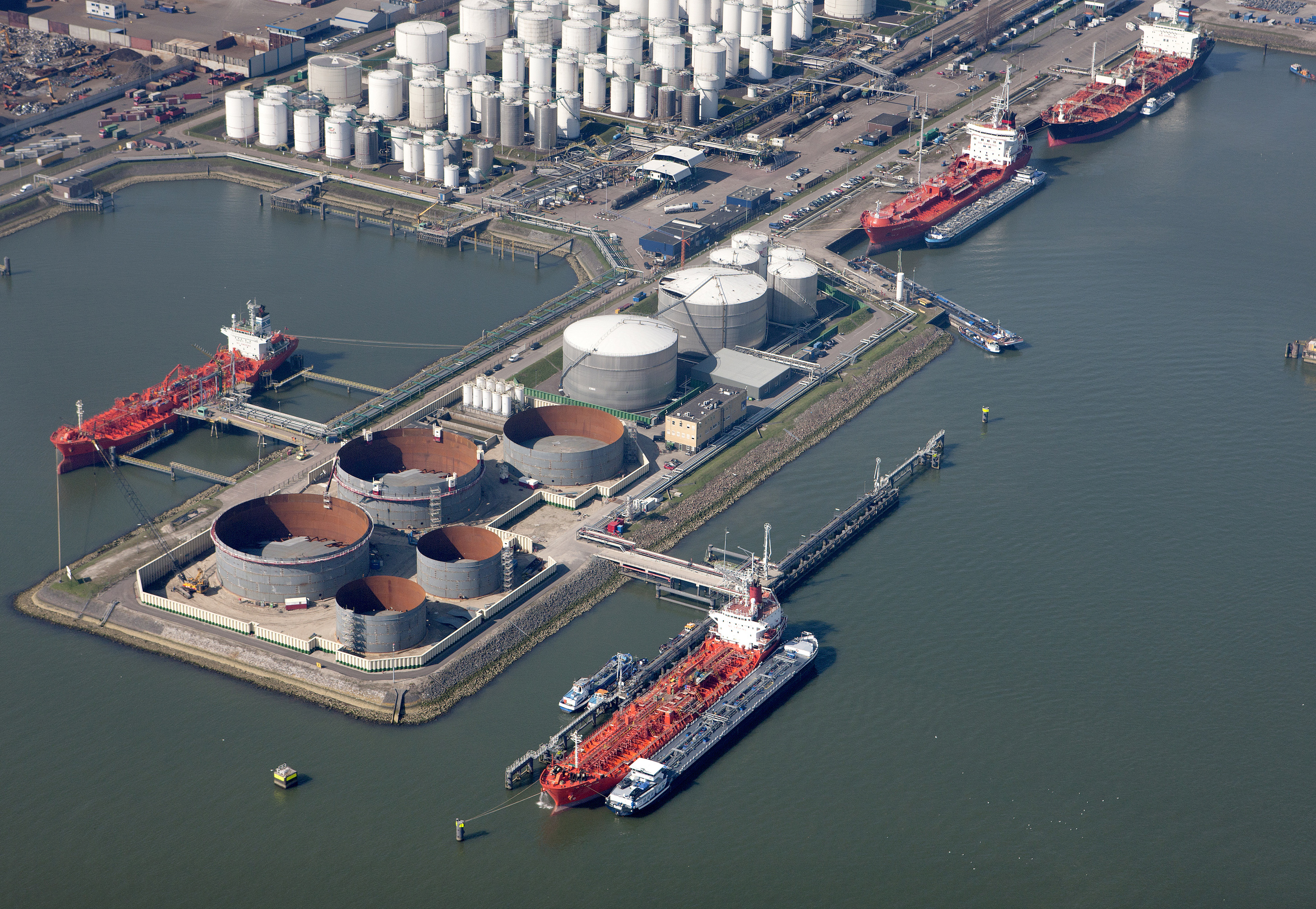
Our Tank storages are situated above ground, and some are underground, with support for the successful discharge of products into heavy-duty oil tankers and pipelines. We have large industrial amenities for the storage of oil and petroleum products before these products are formally transported to the end users or further to storage facilities.
Our storage tanks are positioned in various locations where ocean liners carrying products can discharge their cargo, while some are technically attached to pipelines in order to draw our supplies through rails or barges and by heavy duty oil tankers. Most of our Tank storages have heavy duty oil tankers operating from their grounds, and these vehicles transport products to petrol stations or other users.
The products which reach our Tank storages are from the refineries and suitable for delivery to customers because our Tank storages are modern and comprise various types of tankage, pipelines, and gantries with a greater degree of automation as significant changes in depot operations.
We act professionally. We set challenging goals, encouraging innovation and speed. We get it right first time. We share, learn and improve continuously.
Our Tank storages are situated above the ground and while some are beneath the ground with support for successful discharges of products into heavy duty oil tankers and pipelines.
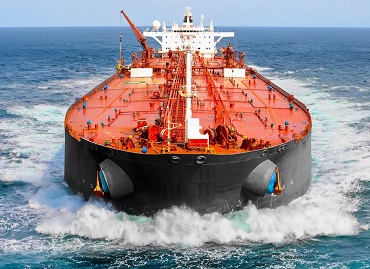
Most of our Tank storages have heavy duty oil tankers operating from their grounds and these vehicles transport products to petrol stations or other users.
VGG LOGISTICS BV Tank storage utilizes
Tank Storage Facilities in the Port of
Rotterdam and other various Commercial Sea
Ports that allows for the simultaneous
loading of Multiple vessel tankers with
deadweight of up to 50 - 150 thousand tons
with a capacity of up to 6,500 tons per hour
and the loading of multiple vessel tankers
with dead-weight up to 75 thousand -to- 150
thousand tons with a capacity of up to 4,500
and 6,500 tons per hour in the port of
Rotterdam.
As the global population and GDP are
growing, the world's demand for energy and
chemicals is rising as well. We see a
growing geographic imbalance between areas
of production and areas of consumption of
energy and petrochemicals. This has led to
the transportation of oil, gas, and
petrochemicals over longer distances around
the world. At the same time, markets and
product flows have constantly changed in
response to more ambitious climate change
policies, to geopolitical and economic
fluctuations and to the development of new
energy sources and cleaner fuels. The result
is a growing demand for storage and handling
of bulk liquids and gases at key locations
along global marine trade routes.
Determining the best locations for our
terminals requires a long-term vision of
global geo-economic developments, while
constantly changing product flows demand
flexibility and short-term action in the
day-to-day work at the terminals. In such a
dynamic context, our leadership depends on
our ability to excel in three areas - the
three pillars of our strategy.
First, we aim to grow, maintain and adapt
our global network of terminals to connect
global products flows. Our experience and
our market knowledge enable us to identify
the right locations for our terminals to
create long-term value. In light of the
changing energy and petrochemical landscape
and a continuing economic shift from West to
East, Vopak our partner focuses on four
categories of terminals. These are major
hubs; gas terminals; terminals serving
markets with structural deficits; and
industrial and chemical terminals in the
Americas, the Middle East, and Asia. These
categories guide us in making an early
selection of the most promising
opportunities for growing our network, for
expanding and improving existing locations
and for identifying assets for divestment,
thereby improving the risk-return profile of
our global terminal portfolio. We call this
Growth Leadership.
After that, the pile foundation was installed, and the installation of the oil terminal building began this summer. “You can work only during the summer navigation, and it lasts from August to early October,” explained Vladimir Krupenikov. – In winter, the temperature in these places can reach -50 degrees, the Ob Bay and the Kara Sea are covered with ice on average 270 days a year.
The terminal will be delivered to Cape Stone by a large-capacity cargo vessel Korex-2 from the shipyard GPC in Abu Dhabi. the choice of shipyards in the United Arab Emirates was influenced by both economic considerations and the possibility of sanctions restrictions.